What Do the 2026 Oral Cancer Guidelines Mean for Your Dental Checkup?
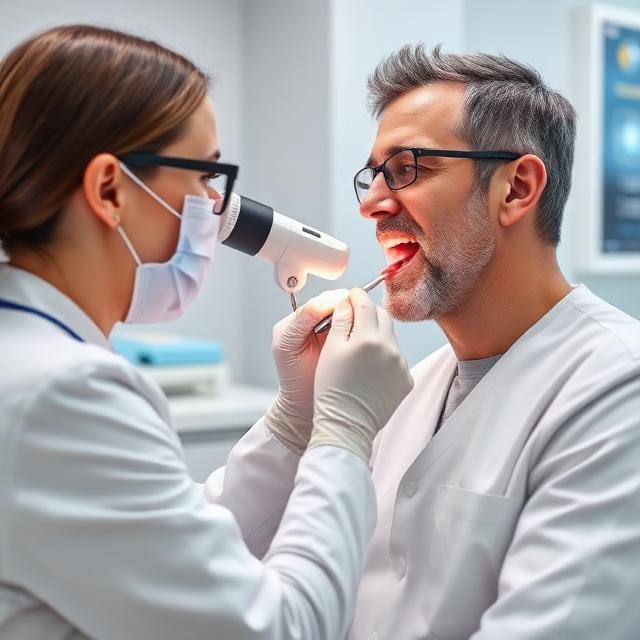
When you think about a dental checkup, you probably think about cavities, gum health and cleaning. But your dentist also looks for changes in the mouth that may require further attention.
In 2026, the American Dental Association updated its oral cancer guidance as part of a continuously updated “living guideline” program. The new recommendations address several adjunctive approaches—including cytology, vital staining and light-based technologies—that may be considered when evaluating oral abnormalities.
What does this mean for patients?
It doesn’t mean that every unusual spot or change in your mouth is cancer. Many oral changes have harmless causes.
The important point is that a professional examination can help identify abnormalities that may need monitoring, additional evaluation or referral. The ADA continues to identify biopsy as the reference standard for diagnosing potentially malignant disorders and oral cancer.
What should you watch for?
A persistent sore, unusual patch, lump, unexplained bleeding or other change in the mouth that doesn’t resolve should be brought to the attention of a dental or medical professional.
Rather than trying to determine the cause yourself, an examination can help establish whether the area appears normal or whether it deserves further attention.
Why regular dental examinations matter
Early identification of concerning changes can provide an opportunity for appropriate evaluation before a problem becomes more advanced.
At Brilliant Dental Care in Bellevue, patients can discuss oral health concerns with their dental team as part of comprehensive dental care.
If you’ve noticed a persistent change in your mouth or are overdue for a dental examination, contact Brilliant Dental Care to schedule an appointment.