Cold Weather Tooth Sensitivity — Why Do Your Teeth Hurt? ❄️
Cold Weather Tooth Sensitivity: Why Do Your Teeth Hurt When It Gets Cold?
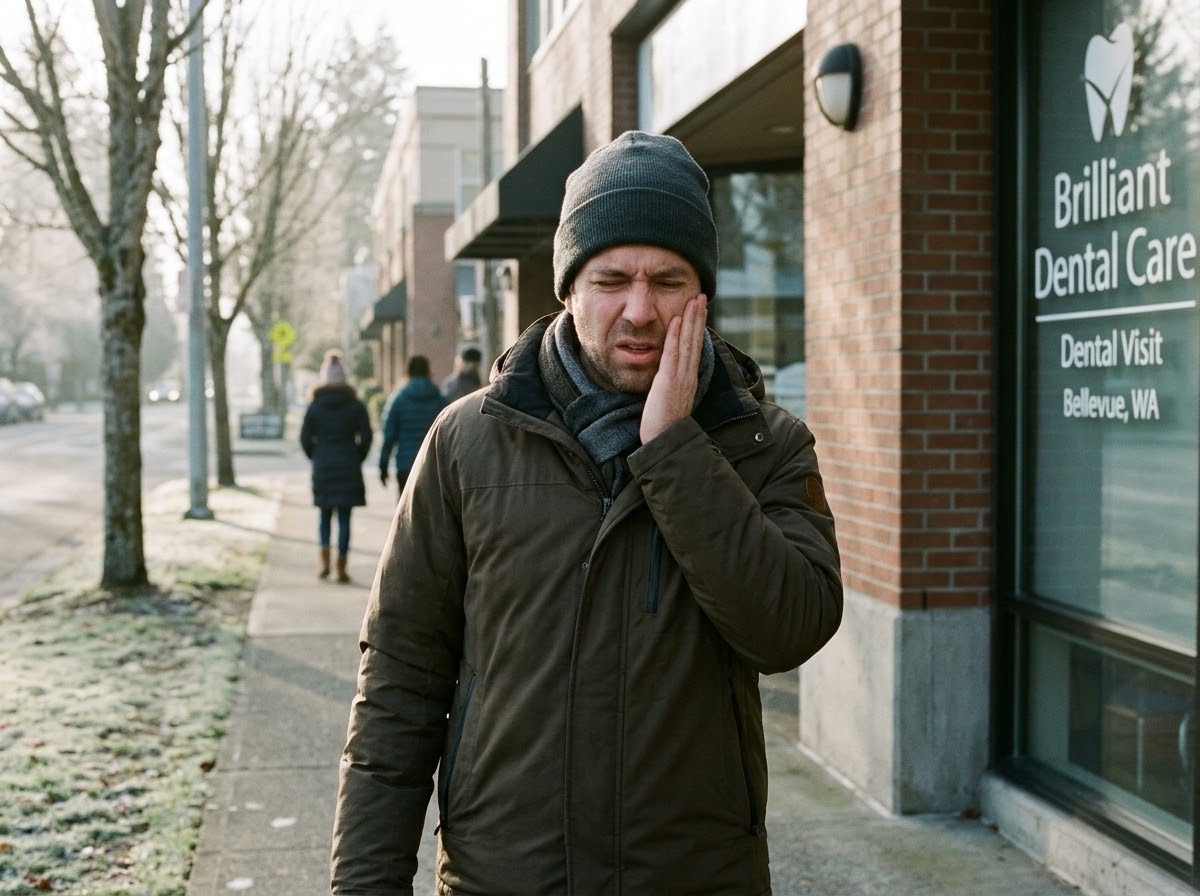
Have you ever stepped outside on a chilly morning, taken a breath of cold air and suddenly felt a sharp pain in one of your teeth?
Or perhaps drinking cold water or enjoying ice cream causes an uncomfortable twinge.
Tooth sensitivity is a common concern, and colder weather can make it more noticeable. However, the important question is not simply why your teeth react to cold, but what is causing the sensitivity in the first place.
Why Do Teeth Become Sensitive?
Your tooth enamel provides a protective outer layer over the crown of each tooth. Beneath it is dentin, a layer containing tiny channels that connect toward the nerve inside the tooth.
When dentin becomes exposed, hot, cold, sweet or acidic foods and drinks can trigger discomfort.
This exposure may happen for several reasons:
- Receding gums: When gum tissue pulls away, the root surface can become exposed.
- Worn enamel: Acidic foods, drinks or other factors may contribute to enamel erosion.
- Tooth decay: Cavities can expose sensitive inner tooth structures.
- Cracked teeth: Small cracks may cause pain when exposed to temperature changes or pressure.
- Worn fillings: Older or damaged fillings may contribute to sensitivity.
When Should You Be Concerned?
Occasional sensitivity does not always indicate a serious problem. However, repeated discomfort in the same tooth deserves attention.
Arrange a dental assessment if:
- One particular tooth repeatedly hurts.
- The pain continues after the cold drink or air exposure has passed.
- You experience pain when biting or chewing.
- Sensitivity is becoming more frequent.
- You notice a visible crack, damaged filling or cavity.
Persistent pain should not simply be treated as ordinary sensitivity.
How Can a Dentist Help?
The right treatment depends on the underlying cause. Some patients may benefit from desensitizing toothpaste or professional fluoride treatment. If sensitivity is related to decay, a damaged filling or a crack, the tooth may need a different type of treatment.
A dental examination helps determine which approach is appropriate rather than guessing based on the symptoms alone.
Do Not Let Tooth Sensitivity Become Your New Normal
If you are experiencing recurring tooth sensitivity during Bellevue’s colder months, consider having it checked.
Brilliant Dental Care serves patients in Bellevue and surrounding Eastside communities, helping patients understand dental concerns and maintain healthy smiles.
Is cold air or a cold drink making your teeth hurt? Contact Brilliant Dental Care to arrange an assessment.