When Should You Replace an Old Filling or Crown?
If you’ve had the same filling or crown for many years and it isn’t causing any problems, you may assume there’s no reason to have it checked.
But dental restorations don’t necessarily last forever—and problems can sometimes develop before you notice pain.
Why can old restorations cause problems?
Fillings and crowns are exposed to chewing forces every day. Over time, they can experience wear, cracks or other changes.
A tooth surrounding an older restoration can also develop decay, while a restoration may no longer seal the tooth as effectively as it once did.
That doesn’t mean an old filling or crown automatically needs to be replaced. Its condition, the tooth underneath it and your overall dental situation all matter.
What signs should you watch for?
It’s worth having an older restoration evaluated if you notice:
- New or increasing sensitivity
- A cracked or broken area
- A change in your bite
- Food repeatedly getting trapped
- Rough or sharp edges
- Pain when chewing
- Visible changes around the restoration
However, some problems may not cause noticeable symptoms at all.
Why professional evaluation matters
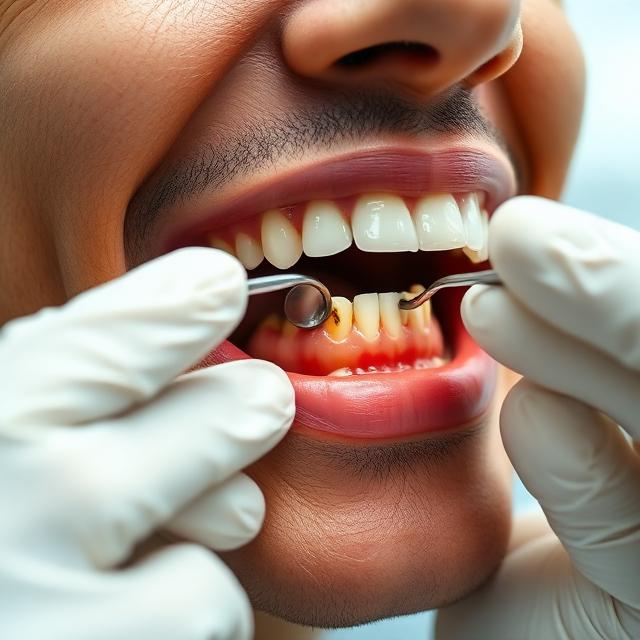
During a dental examination, your dentist can assess the restoration and surrounding tooth to determine whether it is functioning properly or needs treatment.
Identifying a problem while it is still manageable may provide more treatment options and potentially help avoid a more extensive dental problem later.
At Brilliant Dental Care in Bellevue, patients can have older fillings and crowns evaluated as part of their ongoing dental care.
If you’re wondering whether an old restoration is still doing its job, contact Brilliant Dental Care to schedule an evaluation.