Tooth Sensitivity in Bellevue: What Causes It and How to Treat It
If you feel a sharp twinge when drinking something cold or biting into hot food, you’re not imagining it. Tooth sensitivity is a common issue among Bellevue, WA patients—and while it can be uncomfortable, it’s often very treatable.
At Brilliant Dental Care, we help patients identify the cause of sensitivity and provide solutions that restore comfort and protect long‑term oral health.
What Is Tooth Sensitivity?
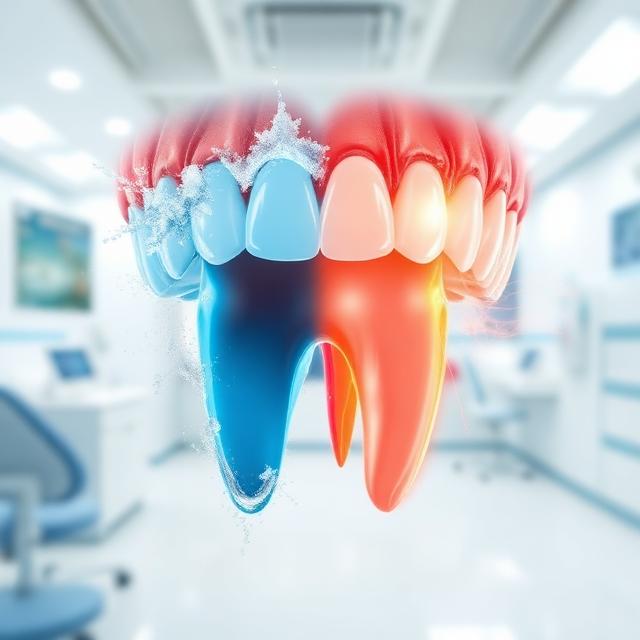
Tooth sensitivity occurs when the inner layer of the tooth (dentin) becomes exposed. Dentin contains tiny tubules that lead to the tooth’s nerve. When exposed to temperature changes, pressure, or certain foods, these nerves react—causing discomfort or pain.
Sensitivity can range from mild to severe and should never be ignored.
Common Causes of Tooth Sensitivity
Enamel Wear
Enamel protects the tooth surface. When it wears down due to:
- Aggressive brushing
- Acidic foods and drinks
- Teeth grinding
the underlying dentin becomes exposed.
Gum Recession
Receding gums expose the tooth roots, which lack protective enamel and are highly sensitive.
Cavities or Tooth Decay
Even small cavities can cause sensitivity—especially to sweets or temperature changes.
Cracked or Worn Teeth
Tiny cracks or worn areas allow stimuli to reach the nerve, leading to sharp pain.
Dental Procedures
Temporary sensitivity after cleanings or treatments is common and usually resolves quickly.
Why Bellevue Patients Often Ignore Sensitivity
Many Bellevue patients assume sensitivity is “normal” or temporary—especially if the pain comes and goes. However, sensitivity is often an early warning sign of a bigger issue.
Ignoring it can lead to:
- Worsening pain
- Tooth infections
- More complex treatment
- Higher dental costs
How Tooth Sensitivity Is Diagnosed
At Brilliant Dental Care, diagnosing sensitivity starts with a thorough exam. We evaluate:
- Enamel condition
- Gum health
- Bite alignment
- Existing dental work
- Areas of decay or damage
Once the cause is identified, treatment can be targeted and effective.
Treatment Options for Tooth Sensitivity
Desensitizing Toothpaste
Special toothpaste can block pain signals and reduce sensitivity over time.
Fluoride Treatments
Professional fluoride applications strengthen enamel and reduce nerve exposure.
Gum Treatment
If gum recession is the cause, treatment can protect exposed roots and reduce discomfort.
Dental Restorations
Fillings, crowns, or bonding may be recommended to protect damaged areas.
Nightguards
For patients who grind their teeth, a custom nightguard can prevent further enamel wear.
Preventing Tooth Sensitivity
Simple daily habits can significantly reduce sensitivity:
- Use a soft‑bristled toothbrush
- Avoid aggressive brushing
- Limit acidic foods and drinks
- Wear a nightguard if recommended
- Maintain regular dental visits
Prevention is always easier—and more comfortable—than treatment.
The Link Between Sensitivity and Overall Oral Health
Sensitivity often indicates an underlying issue. Addressing it early helps:
- Prevent tooth decay
- Maintain gum health
- Avoid infections
- Preserve natural teeth
Healthy teeth should not hurt during everyday activities.
Why Early Treatment Matters
Treating sensitivity early usually means:
- Less invasive treatment
- Lower costs
- Faster relief
- Better long‑term outcomes
Waiting often allows the problem to progress.
The Bottom Line
Tooth sensitivity is common—but it’s not something you have to live with. Identifying the cause is the key to lasting relief.
If you live or work in Bellevue, WA and notice tooth sensitivity, early care can protect your comfort and your smile.
Tooth Sensitivity Treatment in Bellevue
📍 Brilliant Dental Care
1800 116th Ave. NE, Suite #105
Bellevue, WA 98004
📞 425‑484‑2935
🕘 Monday–Thursday: 8:00 AM – 5:00 PM
If hot or cold foods cause discomfort, don’t ignore it. We’re ready to work on you and restore comfort to your smile.